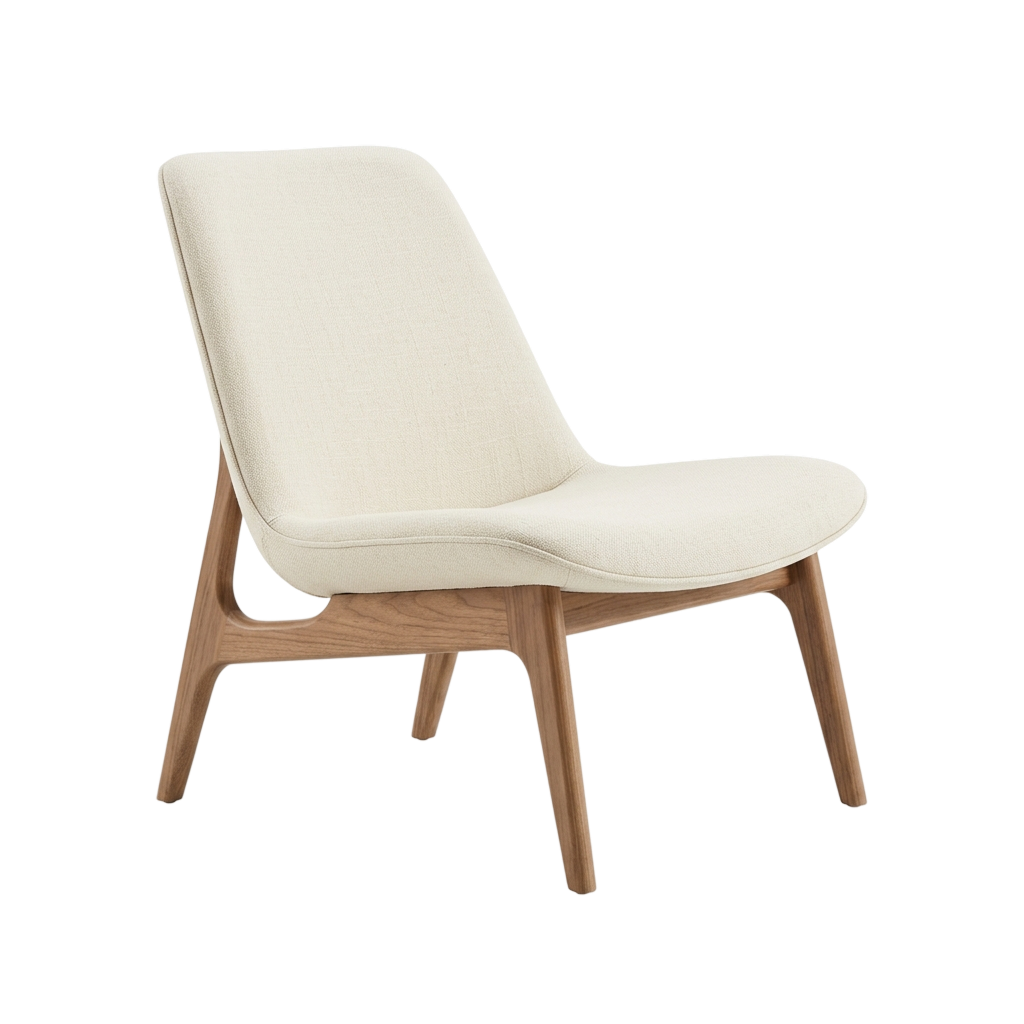
The hidden costs of minimalism.
Minimalism has become one of the defining aesthetics of our time. From Instagram-worthy interiors to the sleek product designs of Silicon Valley, the clean lines and empty spaces of minimalism convey a message of clarity, intentionality, and sophistication.
But beneath the surface of this design philosophy lies a more complicated reality. The minimalist aesthetic, critics argue, often functions as a marker of privilege - the ability to own less is predicated on the certainty that one can afford more when needed. The visual vocabulary of minimalism also has roots in various cultural traditions, from Japanese wabi-sabi to Scandinavian functionalism, which are often appropriated without acknowledgment.
More troubling is the way minimalism intersects with corporate interests. The same companies that sell us "essential" products with minimalist branding are, after all, still selling us things. The aesthetic of having less becomes, paradoxically, another way to consume.