Travel
The hidden teahouses of Kyoto's outer districts.
By Priya Nair
P
Priya Nair
2 min read
Finding tradition and tranquility away from the tourist crowds.
Kyoto's famous tea houses draw lines that stretch around city blocks, but a short train ride into the outer districts reveals a different tradition entirely: family-run rooms that have served the same handful of regulars for generations, with no sign out front.
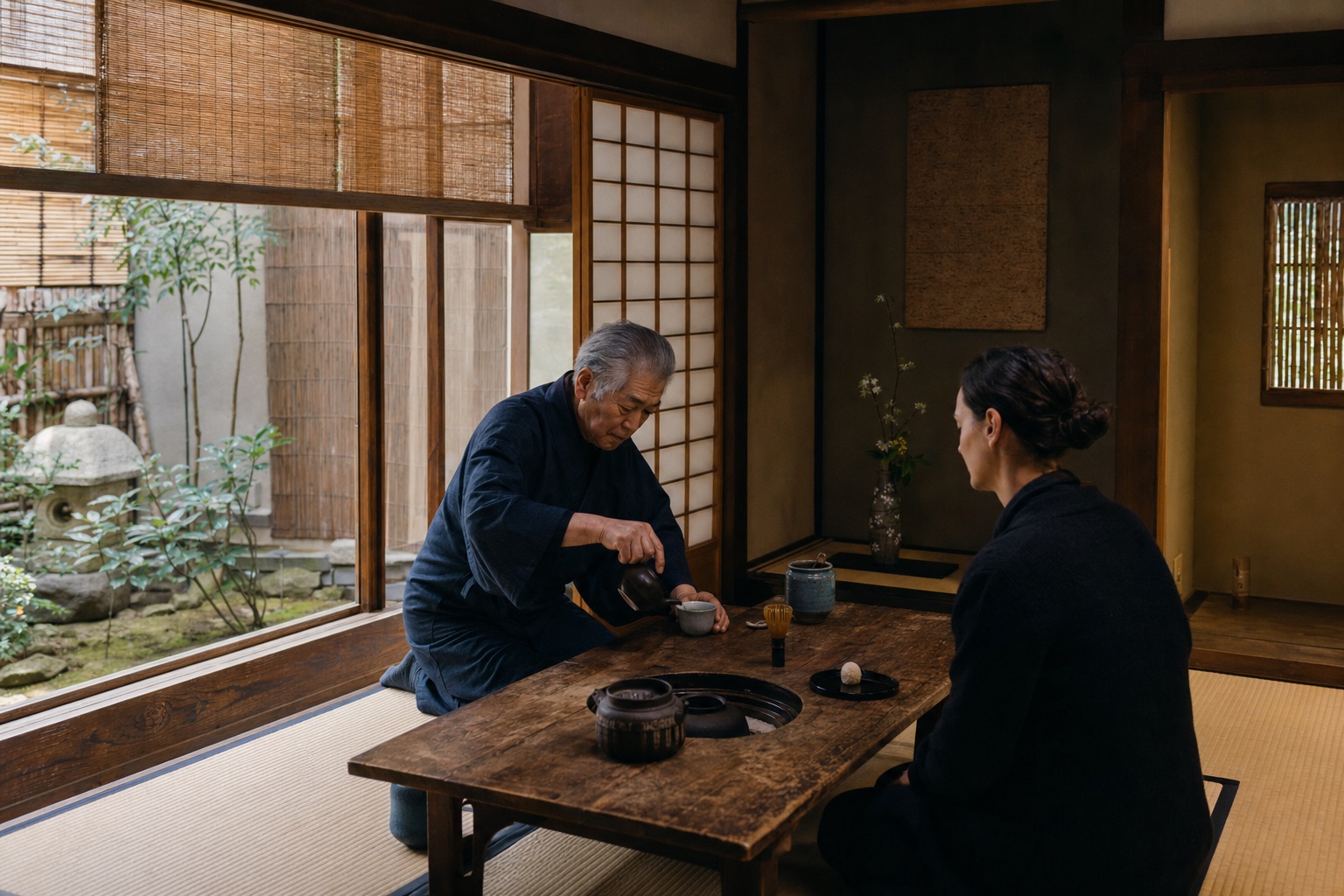
These spaces operate on introduction rather than advertisement. A guest is typically brought by someone the owner already knows, and the ritual itself slows to match: water heated to a specific temperature for each leaf, silence treated as part of the service rather than an absence of it.
Kyoto's famous tea houses draw lines that stretch around city blocks, but a short train ride into the outer districts reveals a different tradition entirely: family-run rooms that have served the same handful of regulars for generations, with no sign out front.
What's disappearing isn't the tea ceremony itself, but the unhurried context that gives it meaning. As more of these rooms close when their owners retire, the outer districts are becoming the last place to experience tea the way it was meant to be served.
TravelBack to the Archive