
Design
The evolution of minimalist architecture in Nordic cities.
By Anders Holm
A
Anders Holm
2 min read
How functionalism and natural materials are redefining urban landscapes from Copenhagen to Stockholm.
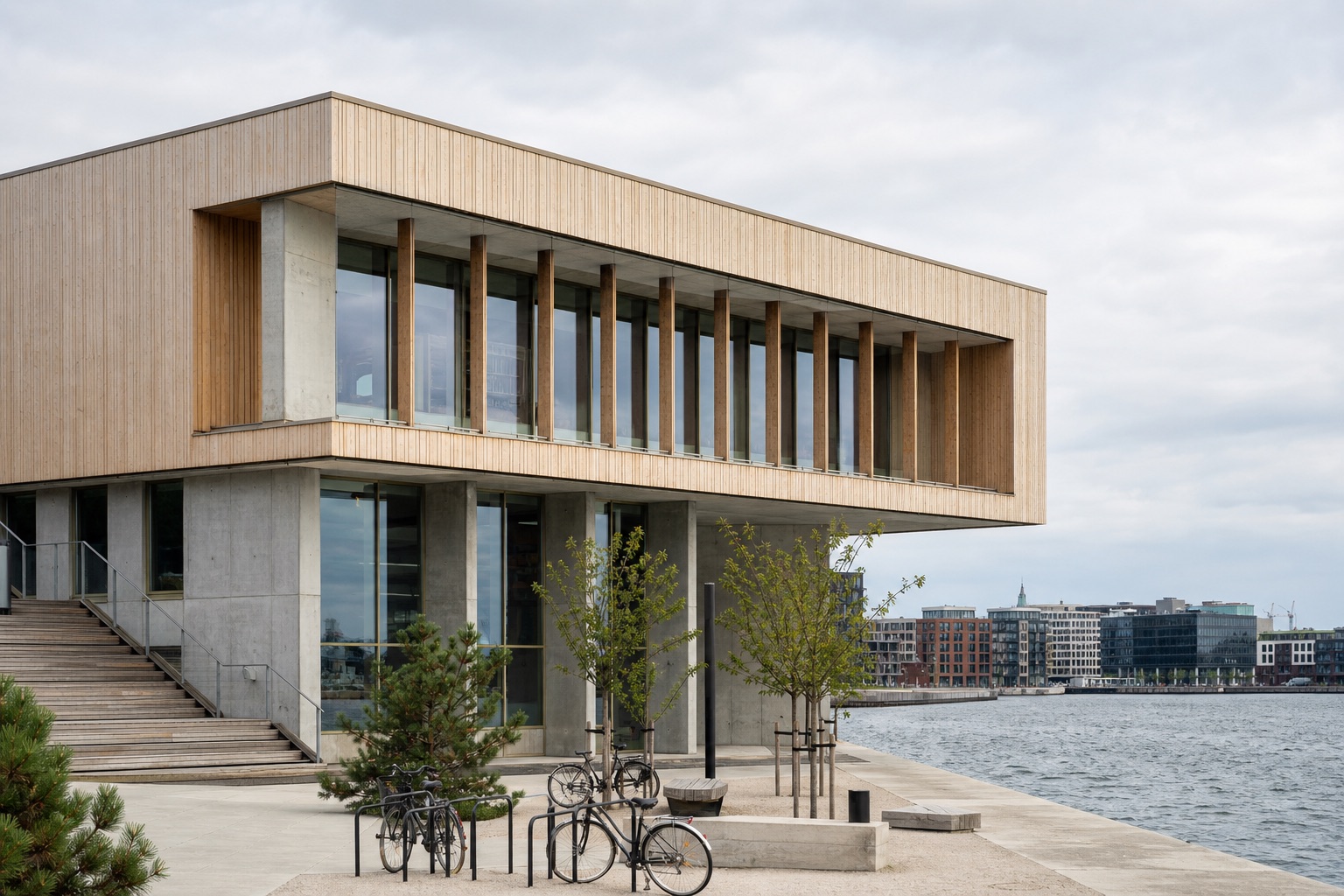
The Nordic approach to architecture has long been defined by a commitment to simplicity, functionality, and a deep respect for natural materials. From the sleek lines of Alvar Aalto's modernist masterpieces to contemporary passive-house designs that blend seamlessly with their forested surroundings, the region's architectural identity continues to evolve while staying true to its roots.
In Copenhagen, the emphasis on bicycle-friendly urban planning has influenced building design, with structures that prioritize human scale and community interaction. Stockholm's recent developments showcase how glass and steel can harmonize with historic waterfronts, while Oslo's bold public buildings demonstrate a commitment to sustainable innovation.
The Nordic approach to architecture has long been defined by a commitment to simplicity, functionality, and a deep respect for natural materials.
What unites these approaches is restraint used as a design tool rather than a limitation. Timber ceilings are left exposed instead of covered, concrete is finished rather than clad, and daylight is treated as a building material in its own right. The result is architecture that ages instead of merely wearing out.
DesignBack to the Archive