Sustainability
The future of regenerative agriculture.
By Sarah Chen
S
Sarah Chen
2 min read
How farmers are restoring ecosystems while feeding communities.
Regenerative agriculture represents a paradigm shift from conventional farming practices. Rather than merely sustaining current output, regenerative methods actively improve soil health, increase biodiversity, and sequester carbon from the atmosphere.
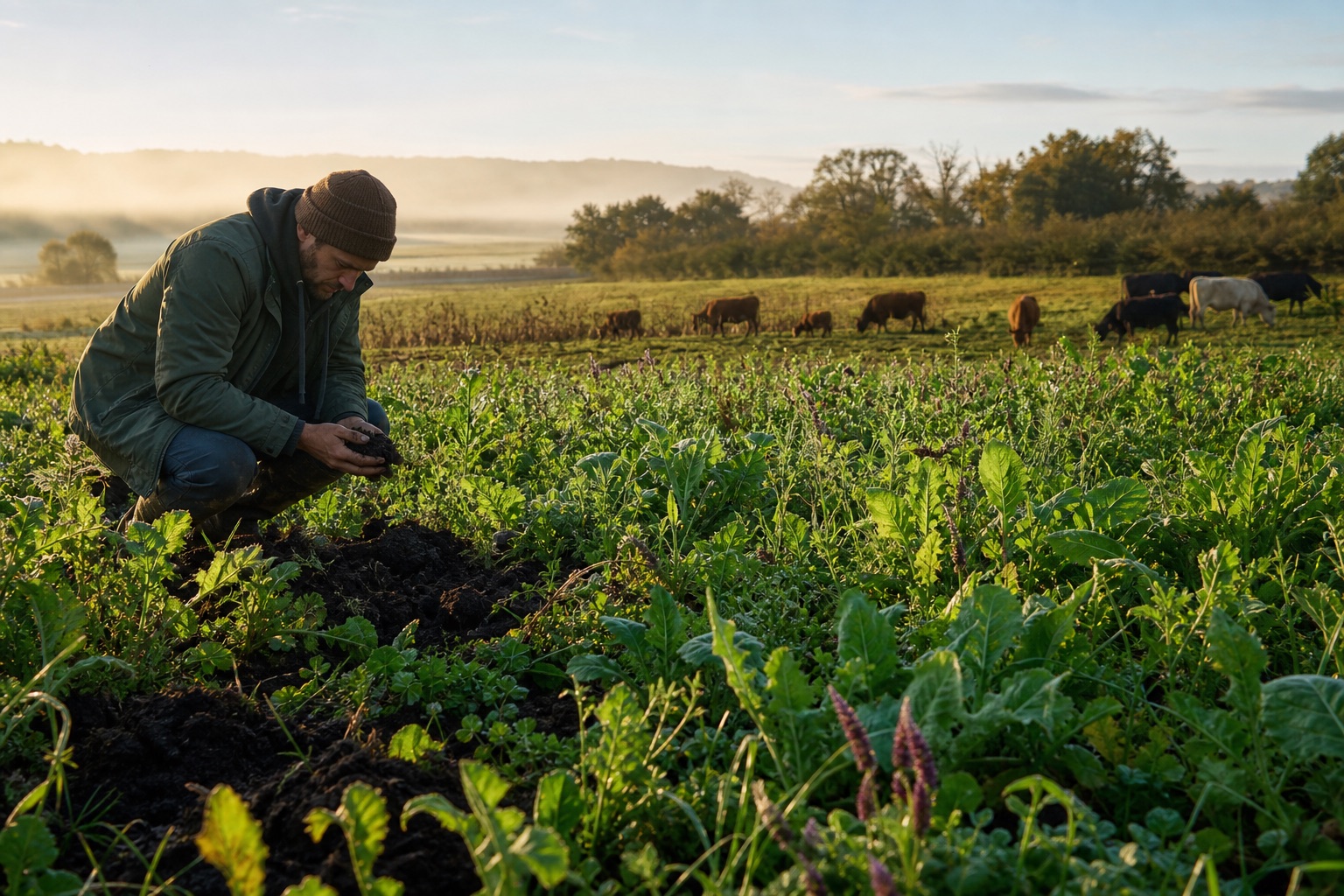
Across the Midwest, farmers are adopting no-till practices, cover cropping, and rotational grazing - techniques that mimic natural ecosystems. The result is not just healthier food, but farms that are more resilient to drought and extreme weather events.
Regenerative agriculture represents a paradigm shift from conventional farming practices.
The transition is not without cost. Yields often dip in the first few seasons as soil biology recovers, and specialized equipment for no-till planting is expensive. Even so, the farmers who stick with it report lower input costs within five years, as healthier soil needs less fertilizer and holds water longer during dry spells.
SustainabilityBack to the Archive